
You might be wondering, “What do you mean, scarcity disguised as abundance?” At first glance, they seem like they are polar opposites of each other. As humans, we are experts at justifying things, and we believe that we are doing what is best for ourselves and our finances.
I’m Not Perfect
Have you ever seen a product advertised with a good sale price and thought, “I better stock up on that because I might not ever see that price again!”? I know I have. In fact, it happened to me just the other day. (Yes, I still continue to work on my thinking.)
At Canoosa Finance, we encourage you to take advantage of sale prices. Even more importantly, we encourage you to ask yourself why you’re taking advantage of that special price.
We have been taught that if we buy on sale, we are being good with our money. That is true. The problem lies in buying too much or items we don’t really need just to take advantage of that deal. This can subtly turn a great deal into a situation that ends up costing us more in the long run.
When Scarcity is Disguised as Abundance
Running out to buy something (or a bunch of something) just because it’s on sale is a sign that we’re operating from a scarcity mindset. We’re afraid that we will never see that price again, and in doing so we tell ourselves that we might not be able to afford that product in the future.
Some ways that scarcity can masquerade as abundance:
- Buying excess = fear of future lack.
- Hoarding scraps = fear of not being able to buy that item in the future.
- Stockpiling = belief that opportunity is rare.
I am not saying that we should waste things, but when we think that we must get every single drop out of something, we should ask ourselves why. Are you operating out of fear or confidence that you will be able to get that product when you need it?
Debris: What Are You Really Holding Onto?
Speaking of wasting things, let me talk about scrap pieces of 2×4. Are we really going to use those 20 scrap pieces of 2×4 that if you were to add them all together might make up a single eight-foot board? Small pieces of 2×4 can be useful, just ask yourself if you really need as many as you currently have.
Scarcity says, “I might need this someday.” Abundance says, “I’ll create or buy what I need when I need it.” The shift comes from trusting that resources will be available when we need them. There is a confidence that comes from this.
As you are working on cleaning up what you have – those half-used notebooks, stacks of “someday” supplies, and extra food… find a way to use them. This is something I’ve been working on as our kids have been growing up, leaving home, and getting married. We still have an overabundance of school supplies that we are working on using up.
The Cost of Over-Abundance
Having too much stuff costs us money and drains our energy! We can have a hard time trying to figure out what we really need and what we have too much of in our home.
Some hidden costs:
- Cluttered space can lead to a cluttered mind.
- Wasting money on things that don’t move you forward.
- Emotional heaviness from being surrounded by “stuff” instead of vision.
- The opportunity cost: Every time we invest in fear, we are not investing in our future.
If we are not paying attention, we can get sucked into the “good deal” sale price. Yes, the products are good, and we do use them. The question we need to learn to ask ourselves is if we really need them (or that many).
Shifting from Scarcity to True Abundance
The change isn’t as much about what we have as it is how we think about what we have. How do we change what we think? By asking ourselves questions.
“Would I buy this if it weren’t on sale?”
“What would I do with this item today?”
“Is this helping me build my future, or padding my fear?”
I have a confession to make. I have learned to stockpile things. This is something I must continually work on myself. As a guy who enjoys working with technology, I tend to hold onto cables. Having an obscure cable or two can be very beneficial, but how many do I really need? (The answer is only 1 or 2.)
So for those things that are not discontinued, it is beneficial for us to limit how much we have on hand. In most cases one will work. You can read about my 1-Up Mindset to learn more about this. For those of you who are not familiar with my 1-Up Mindset, it is having an unopened, non-perishable item in your pantry or freezer. It can also be applied to your bank account by having a month’s worth of expenses in there. You can read a previous post I wrote about the concept if you want.
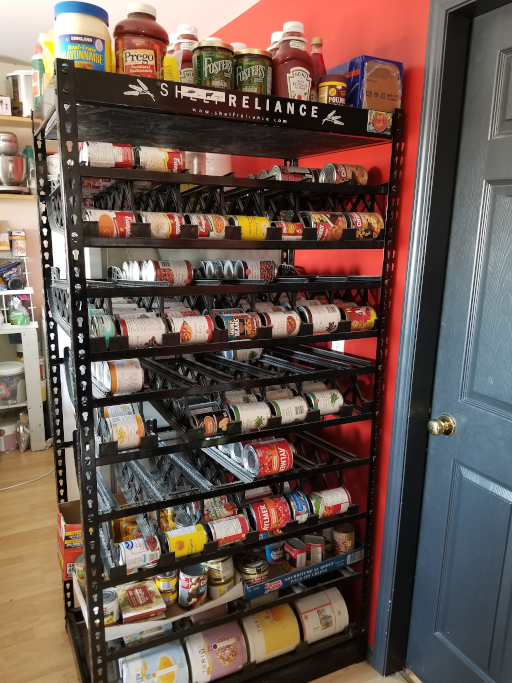
There is empowerment that comes from replacing a stockpile mentality with trusting in your ability to create, earn, and adapt. This is a way we can add real abundance to our life, not scarcity.
Practical Tips for Abundance Thinking
- I would be remiss if I didn’t give you some tips on how to see when scarcity is really just masquerading as abundance in your life.
- Practice “intentional ownership”: Only keep what clearly adds value now or soon.
- Audit your habits: Notice how often you justify purchases with fear.
- Create “space for wealth”: Physical and mental room for opportunities, not leftovers.
- Have a plan for “good enough” scraps. I am all in favor of being thrifty. The problem comes when we don’t allow ourselves to get rid of stuff we most likely will never use.
Conclusion: The Uncomfortable Truth About Scarcity
Scarcity is a mischievous thing. It whispers to you from sales tags and fliers. Real abundance isn’t about having more – it’s about needing less because you trust yourself.
The thought I want to leave you with is that abundance doesn’t come from the clearance rack. It comes from clarity. I encourage you to take advantage of deals, just make sure that those items are what you actually need and will use in the near future.
Until next time, give appreciation for the abundance you have and keep trusting in your ability to create, earn, and adapt. Feel free to recommend this to a friend, but only after you know that this works for yourself.
Post Disclaimer
I am just a guy sharing financial concepts that have worked for me. The information on this site may or may not apply to your specific situation and is intended for informative purposes only and is not a replacement for legal or professional advice. Please do your own due diligence. Any ideas that you choose to apply, you do so on your own free will and at your own risk. This site is opinion-based and these opinions do not reflect the ideas, ideologies, or points of view of any organization affiliated or potentially affiliated with this site.